MECHANISM · 2014
Human sweet-receptor model
Gymnemic acids inhibited human T1R2/T1R3 sweet-receptor responses in a cell model.
Sanematsu et al.
PubMed →
PubMed →


A long-form educational journey through Gurmar, gymnemic acids, sweet taste, glucose research, other herbs, real customer proof and the actual product.
گڑمار، جمنیمک ایسڈز، میٹھے ذائقے، شوگر سے متعلق تحقیق، دوسری جڑی بوٹیوں اور اصل پروڈکٹ کو آسان انداز میں سمجھیں۔
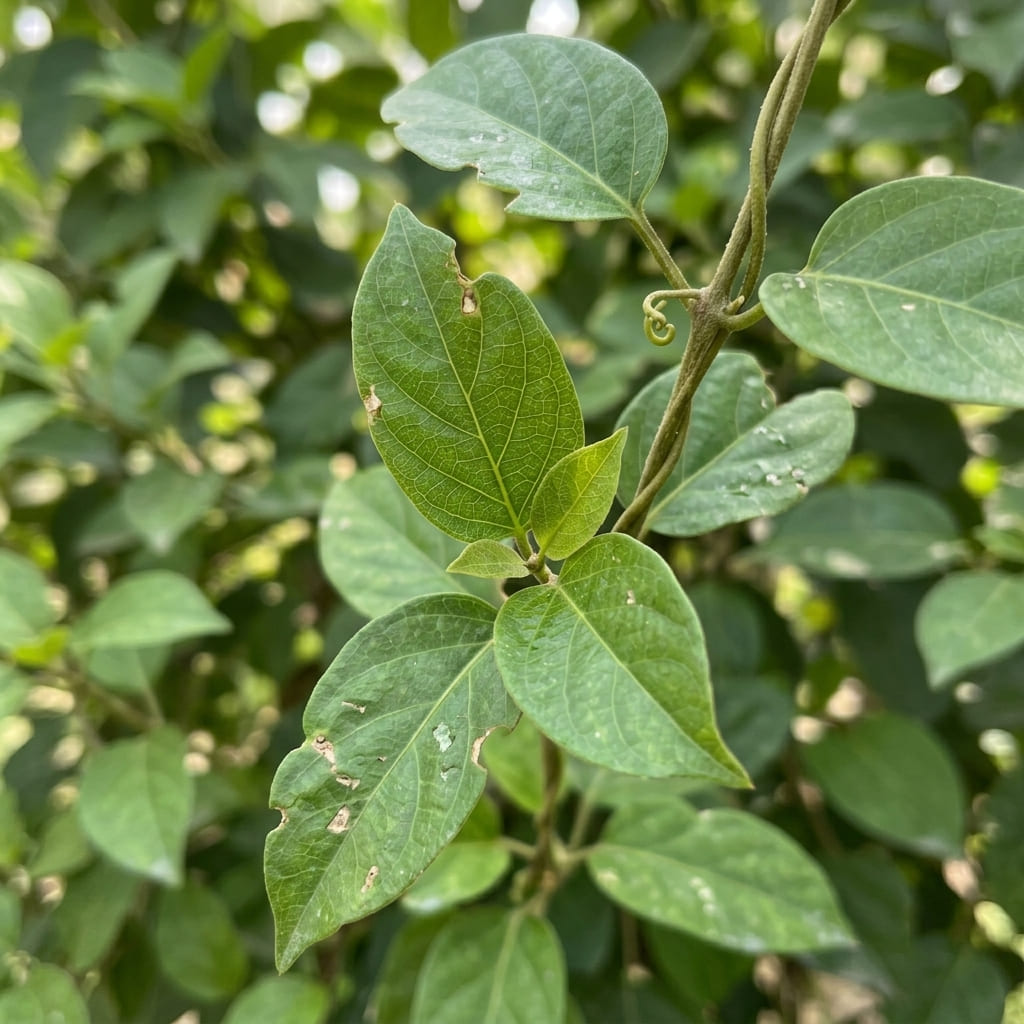
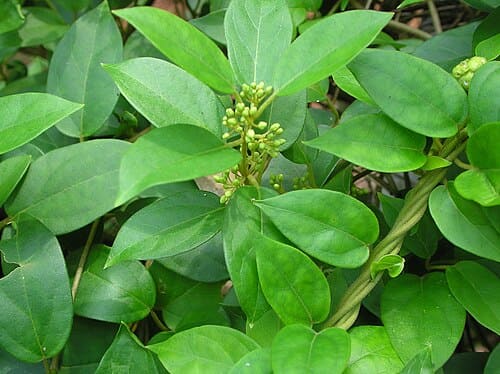
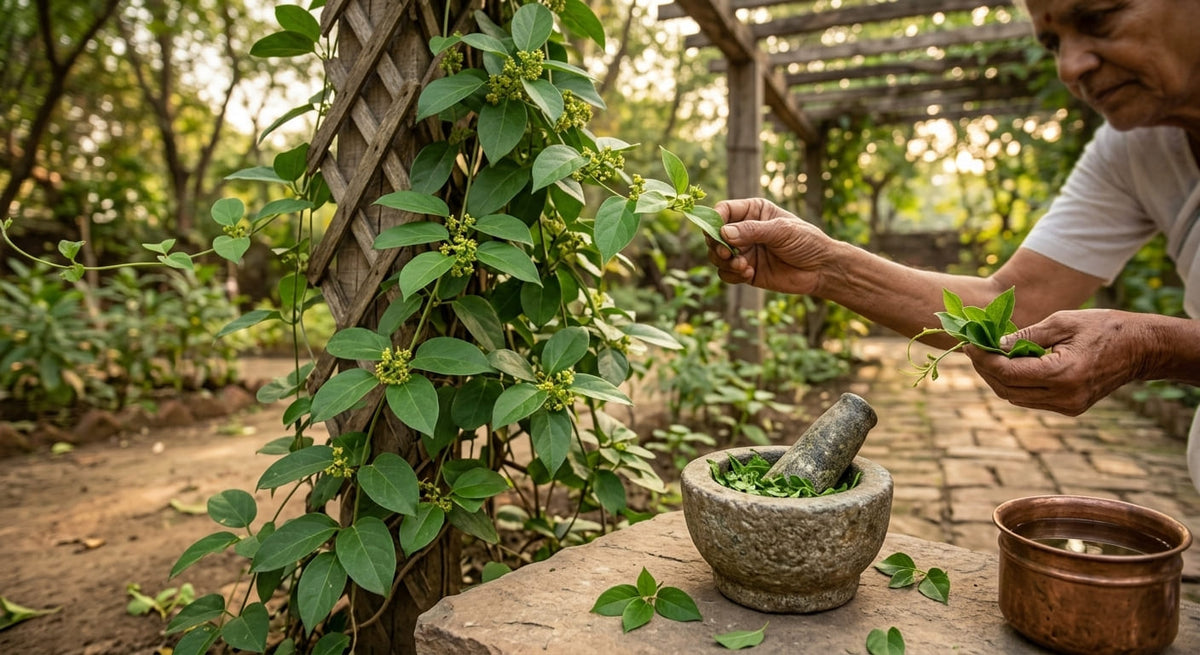
Gymnema Sylvestre is a climbing plant traditionally used in Ayurveda. In South Asia it is commonly known as Gurmar.
The leaves contain naturally occurring compounds called gymnemic acids. These compounds became a major reason researchers became interested in the plant.
Traditional use does not prove that a modern product works. But it can lead researchers to ask better questions.
Gymnema has a long history in traditional herbal practice.
Scientists isolated and investigated the plant's characteristic compounds.
Modern studies began testing sweetness, sweet-food responses and glucose-related outcomes.
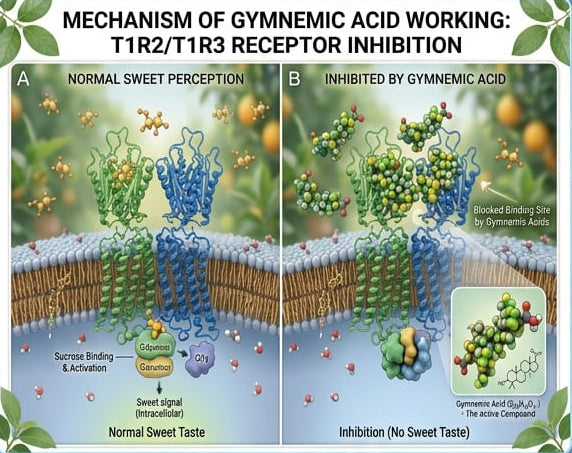
A 2014 molecular study found that gymnemic acids inhibited responses of the human sweet receptor T1R2/T1R3 in a cell model.
The useful interpretation is temporary sweet-taste modulation. It is not evidence that Gymnema permanently damages or destroys taste receptors.
Leaf compounds enter the mouth.
These plant compounds become the research focus.
Studies show reduced sweet-taste responses after exposure.
Sweet foods may taste less intense for a period. Individual response varies.
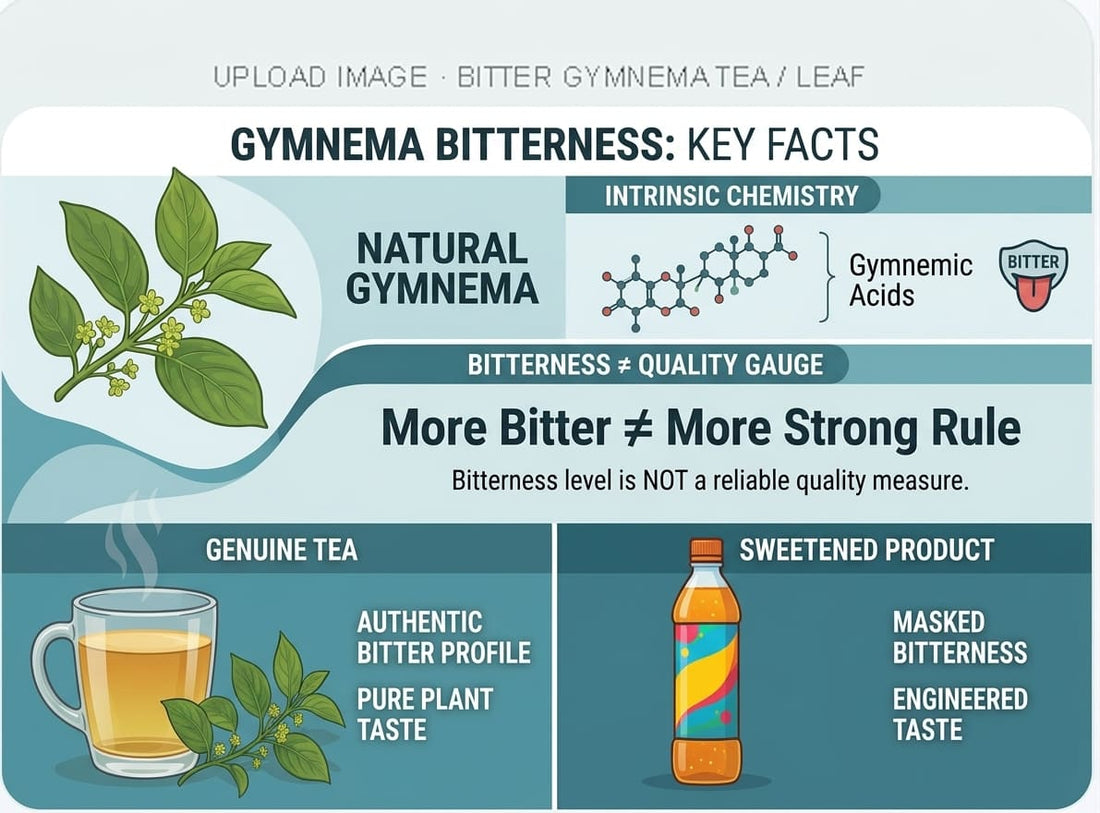
Research on isolated gymnemic acids has found strong intrinsic bitterness. That bitterness is part of the chemistry being studied.
But bitterness is not a reliable quality meter. “More bitter = stronger” is not a scientific rule.
The strongest educational page does not turn every study into the same claim.
Gymnemic acids inhibited human T1R2/T1R3 sweet-receptor responses in a cell model.
The review found that the literature mainly focuses on immediate sweet-taste suppression, while longer-term eating effects remain uncertain.
A gymnemic-acid lozenge reduced short-term candy consumption compared with placebo. This was a lozenge, not tea.
A 14-day intervention studied sweet-food intake. Early laboratory effects were observed, but the longer-term group difference was not clear.
A 2021 meta-analysis included 10 studies and 419 participants and reported improvements in several glycemic measures, but heterogeneity was very high.
A randomized controlled study evaluated Gymnema in adults with impaired glucose tolerance and reported changes in glycemic and insulin-related measures.
We are not going to say cinnamon, karela or methi “do nothing.” Their chemistry and research questions are simply different.
| COMPARE | GYMNEMA | CINNAMON | KARELA | METHI |
|---|---|---|---|---|
| Sweet taste perception | Distinct research focus | Not the main story | Not the main story | Not the main story |
| Gymnemic acids | Yes | No | No | No |
| Sweet receptor research | Human receptor mechanism studied | Different research areas | Different research areas | Different research areas |
| Traditional herbal use | Yes | Yes | Yes | Yes |
| Role in a sugar-conscious routine | Sweet-taste story + metabolic research interest | Different botanical story | Different botanical story | Different botanical story |
| Best interpretation | A distinct herb worth understanding on its own evidence | Not an herb to attack | Not an herb to attack | Not an herb to attack |
Someone may be interested in Gymnema because they are becoming more conscious of sweet foods, want to explore a traditional botanical or want to understand a herb with unusually specific taste research.
Gymnema has a distinct sweet-perception research story.
Gurmar has a long history in Ayurvedic practice.
Published studies can be checked directly.
A simple tea routine can complement healthy habits.
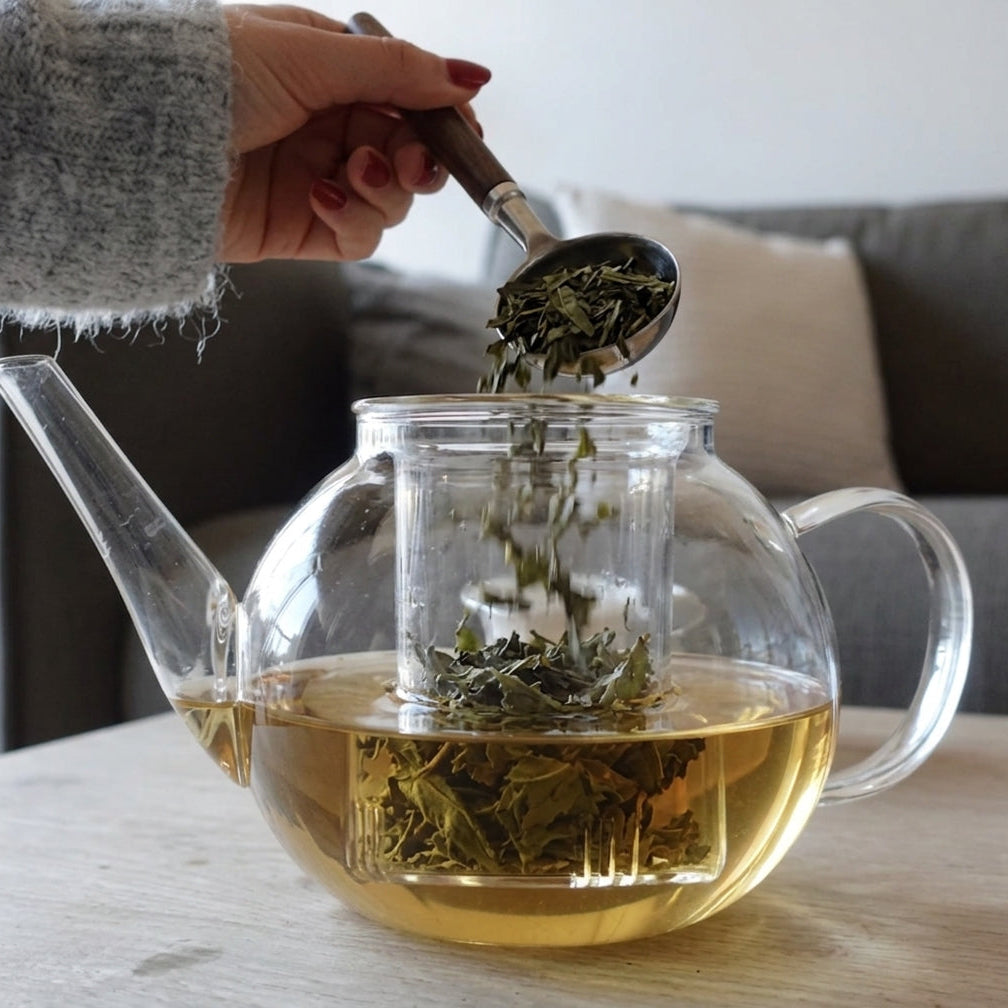
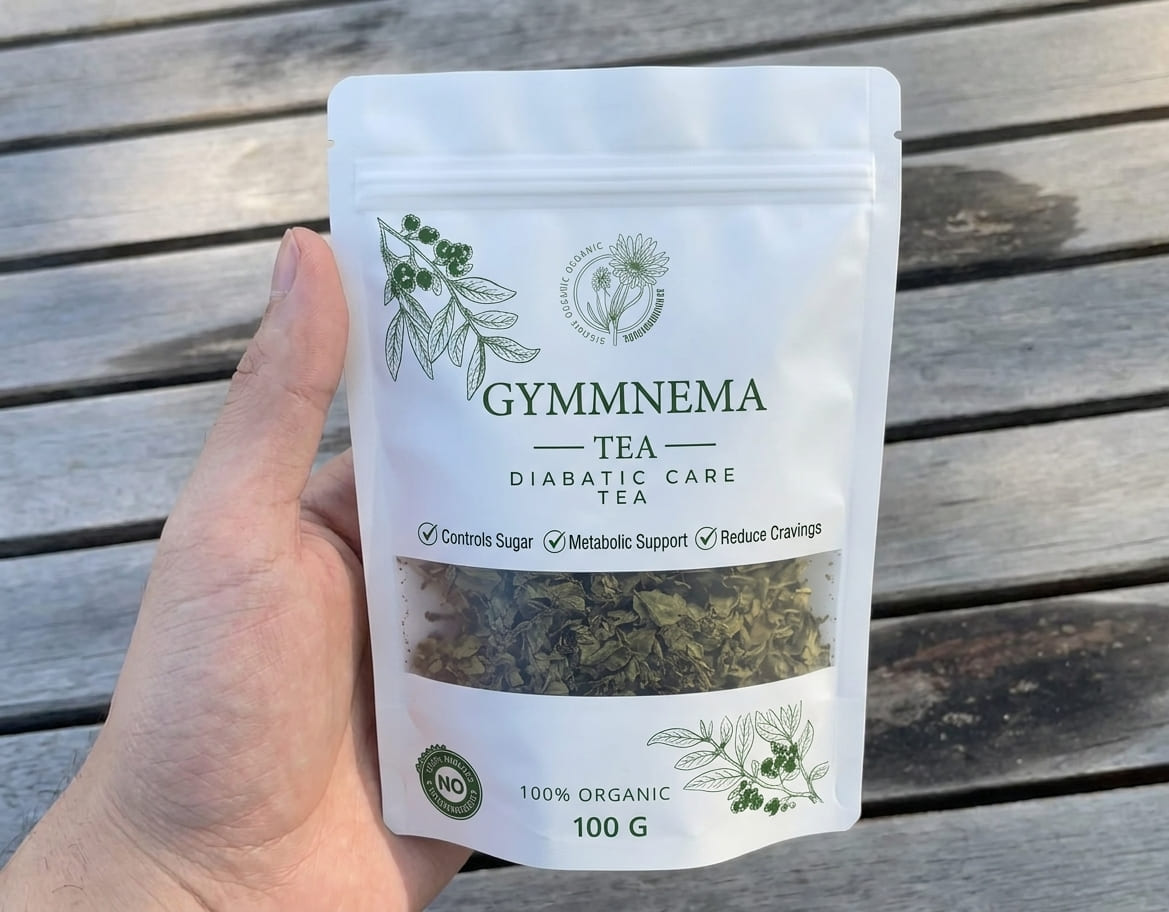
This section should be about transparency: what is inside, how it is prepared and how it fits into a routine.
Preparation matters: evidence from concentrated extracts, mints or lozenges should not automatically be presented as proof for every whole-leaf tea.
See the productUse real customer images only. The fields below are intentionally uploadable rather than AI-generated.


this one of our customers reviews, result may vary person to person and majorly on daily diet!
No. This page makes no cure claim. Gymnema research covers several questions, but it should not replace prescribed treatment.
The plant and gymnemic acids are naturally bitter. Bitterness is not a reliable measure of quality.
If you take glucose-lowering medicine or insulin, speak with a qualified healthcare professional before adding Gymnema.
Read the evidence, understand the product and decide whether a Gymnema tea ritual fits your routine.
Educational content only. Gymnema Tea is not a medicine and should not replace prescribed treatment. Research cited includes specific preparations that may differ from whole-leaf tea.
Real customer experiences in a clean card layout.

Its so amazing, I never thought even a tea can bring such a result, i had quit my medicine since last 2 months and sugar never went beyond 150. Just because of this tea, its really a miraculous tea.

Salaam, my mother is using gymnema and her sugar levels are under control. She takes it in the morning as her doctor recommended.
Thank you for introducing the product

I purchased the Gymnema tea a few months ago, but was initially hesitant to try it due to taste concerns. However, after finally starting to use it a month ago, I've noticed a significant reduction in bloating. While my sugar cravings are still present, they have decreased in intensity. I'm impressed with the results and will definitely be reordering once my current supply runs out. Thank you for a great product!

Been using this tea for a month during jogging to control my sugar cravings im taking it while jogging and it really works highly recommended
Honestly is ka taste thora karwa hai but i researched about this karwa zaika and i get to know its because of the Gymnemic Acid jo apkae taste receptors ko target kere raha hai isi lie wo karwa lagta hai is ki waja se meri sugar level 314db/ml se 156 hogia after meal highly Recommended
Gymnema Sylvestre, also known as Gurmar, has a long history of traditional Ayurvedic use. Modern research has explored its relationship with sweet taste perception, making it an interesting botanical for a mindful daily routine.
 Ahmed from Lahore purchased